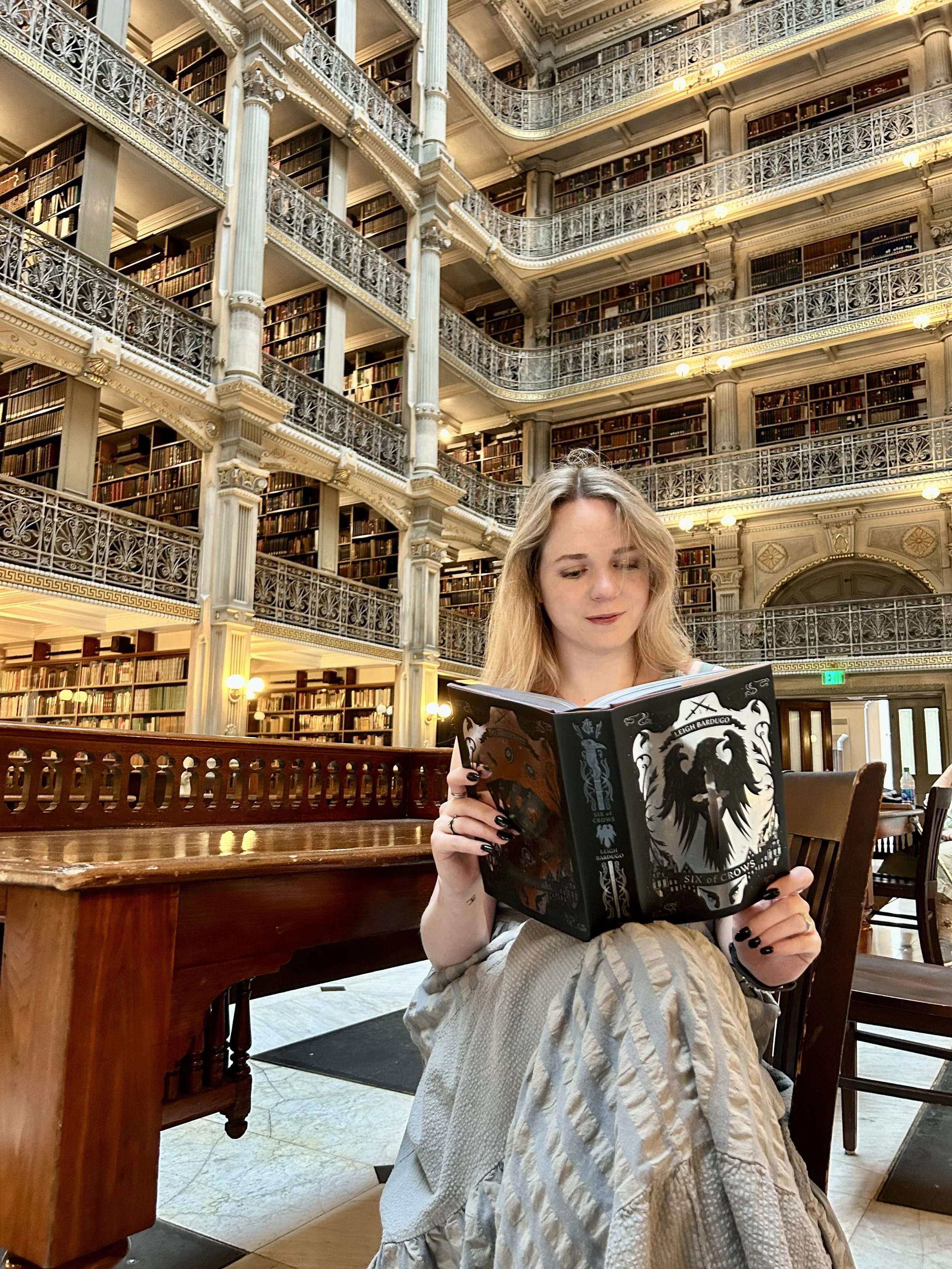
they’re just like me
anyone who has spent any time on the internet will be familiar with the phrase '(insert characteristic/diagnostic here) coded' in the frame of talking about a character.
example: 'spender reid is autistic coded'
if you're not familiar with this kind of 'coding', it essentially means a character is ascribed a set of behaviors/personality quirks that some viewers and readers will infer to mean the character (in this case spencer reid from criminal minds) is implied as [X] coded (in this example, that he is coded as being autistic).
i picked autism very specifically in this instance because that's the characteristic coding i want to discuss. i am autistic, and through the years i've spent learning what that means about myself as well as what autism can mean.
disclaimer: autism is different for everyone, and it is not one-size-fits-all
(and no, everyone is not 'a little on the spectrum')
i'm writing based on my experience with my own autism
historically in media, characters who are openly labelled as autistic are presented in a *very* specific kind of stereotype: think shaun murphy in the good doctor, max braverman in parenthood (aspergers is no longer a utilized diagnosis, so he would now be seen as autistic), alan in dear john. normally there is some kind of genius-esque personality trait (good at math/science/etc) combined with a social ineptitude that infantilizes them.
you'll notice i only gave three examples and they're pretty random - that's because there are so few canonically autistic characters in widestream media. it leaves the representation of an entire population down to a very specific example of what it is like to have autism (something that is incredibly problematic and damaging that i may go into another time) - this is where the coding of characters as autistic comes in. these are characters who have never canonically been declared as autistic, but viewers and readers with autism have connected dots between themselves and the characters. molly wrote about finding *your* characters - this is another piece of that puzzle.
quick sidebar on autism - if you aren't on the spectrum, you may not think about how lonely it can be. the easiest way i've found to explain it is this: being autistic is like everyone around you is speaking a different language. you can pick up every third or fourth word, maybe, but you know that no matter how hard you try you will never be able to understand. it is going through the world treading water because the only people who got the arm floaties were the neurotypicals, and you're fighting for your life every day to just keep your head above water. you feel alone, misunderstood and overwhelmed in a world purposefully designed for anyone who isn't neurotypical to fail. with this in mind, when you're someone like me who lives in the realm of fictional worlds as escapism and special interests, recognizing the parts of yourself that the world sees as defective in a character is a wonderful feeling. that's the moment when that character becomes one of your characters.
now that we've had a bit of exposition, let's go through some autistic coded characters. it goes without saying that these are my personal readings on these characters (some of which are widely shared headcanons, others not so much) - you can agree or disagree with me, but if you're not someone with the 'tism and you don't have any experience with members of our club then hopefully if nothing else this will illustrate that we need to retire the "but you don't seem autistic" phrase.
-
i think spencer is one of the most common examples of a character being coded as autistic. while it is never canonically stated (aside from a throwaway line in season 1 and then in season 8), spencer displays some of the more outward traits associated with autism (difficulty maintaining eye contact/physical touch; focus on special interests; missing social cues; blunt/literal thinker). while spencer is treated as the 'baby' of the bau this is due to his age (he's the youngest member of the team) as opposed to who he is. initially he is underestimated by the rest of his team, but over the 16 seasons he is featured in he develops into a strong and confident character who is able to handle themselves and be an equal in the bau.
autistic markers:
does not share or respond appropriately to others’ feelings
socially inappropriate responses
does not talk to be friendly or social (lacks ability to make small talk)
does not use or understand tone of voice (e.g. sarcasm)
does not show or understand gestures (facial expression or body language)
difficulty adopting behavior to different social contexts (contextually inappropriate behavior)
too literal and doesn’t get the implied meaning of conversation (puns, jokes)
highly restricted, fixated special interests (roll credits)
stereotyped or repetitive motor movements, speech, or use of objects (stimming)
-
wylan is a special character to me for a lot of reasons - firstly, six of crows and crooked kingdom are my two favorite books. secondly, i've had the chance to meet jack wolfe (the actor who plays wylan in shadow & bone on netflix) a few times, and he has been so thoughtful when i've asked him about the neurodivergent tendencies in his performance. wylan struggles with social cues and is his most confident when it comes to his special interests (🦋) and his skills. he isn't infantilized, and his backstory before joining the crows illustrates how strong and capable he is.
autistic markers:
seems unaware of others’ feelings or is unable to express his/her feelings
does not talk to be friendly or social (lacks ability to make small talk)
does not use or understand tone of voice (e.g. sarcasm)
highly restricted, fixated special interests
stereotyped or repetitive motor movements, speech, or use of objects
-
within percy jackson, most of the characters are some form of neurodivergence - percy himself is the poster boy for adhd, there's a lot of dyslexia, and annabeth is an example of autism and where the differences can come with autism in women. annabeth operates entirely under her sense of logic and the black-and-white guidelines it creates for her. change and adjustment are hard for her, and her masking is pretty good but her social skills tend towards the bluntness
autistic markers:
does not talk to be friendly or social (lacks ability to make small talk), limited interest in peers
blunt delivery
finding it hard to share feelings
difficulty adapting to change/new people
ability to mask when needed (making her seem neurotypical)
highly proficient in her special interest area (architecture)
that’s three in a bit more detail…i’m going to talk specifically about women and the presentation of autism (and how it is different which is why WOMEN ARE SO UNDER-DIAGNOSED) in a different post, but in the meantime here are a few more that are absolutely able to be read in detail as autistic characters.


“but lucy”, you may ask, “why does it even matter if characters are autistic or not?”
autism can be incredibly lonely. when you’re unable to relate to the people around you because your brain is wired in a completely different way, and you exist in a world that is not built to help you through life but instead to hold you back, being able to see the pieces of yourself that the rest of the world sees as Other (capital O) means everything. absolutely everything. we’re still a long way from where representation of neurodiversity should be in entertainment, for the moment it is confined to interpretation and headcanons, but in the meantime i hope this brings a bit of clarity to the importance of the characters that some write off as quirky/weird/odd - for some of us, they’re everything.
until next time - laters, gators.
-lucy